 Foctok
 The opportunity
What the money buys, and what comes back.
A complete walk-through of the Foctok structure: the vehicle, the cap table, where every euro of the raise is deployed, the funded operating budget, the liquidity mechanism and the five-year projections.
01 · The vehicle
A single Cyprus company, four moving parts.
Open each part for the mechanics and the counterparty.
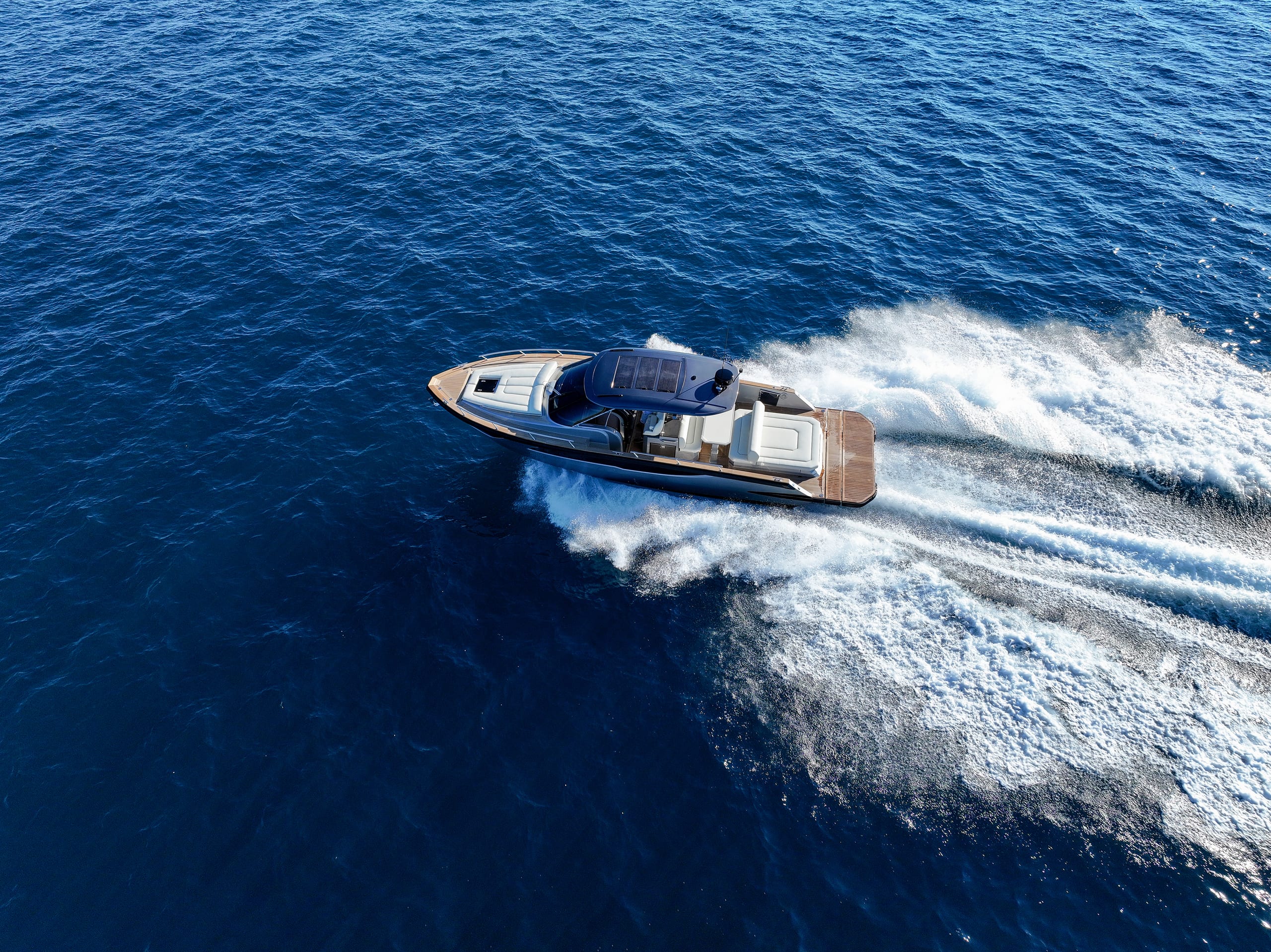
Foctok is a Cyprus limited company incorporated for the single purpose of owning and commercially operating six motoryachts. Against that company, 100 foctokens are issued. One foctoken is a security token representing 1% of the company's value, and therefore 1% of a balance sheet whose principal assets are six hulls.
Cyprus was chosen deliberately: it is an EU member state with an established regulatory framework for tokenized securities, one of the union's most favourable corporate and dividend tax regimes, and a residency-by-investment programme that a ten-token position happens to satisfy.
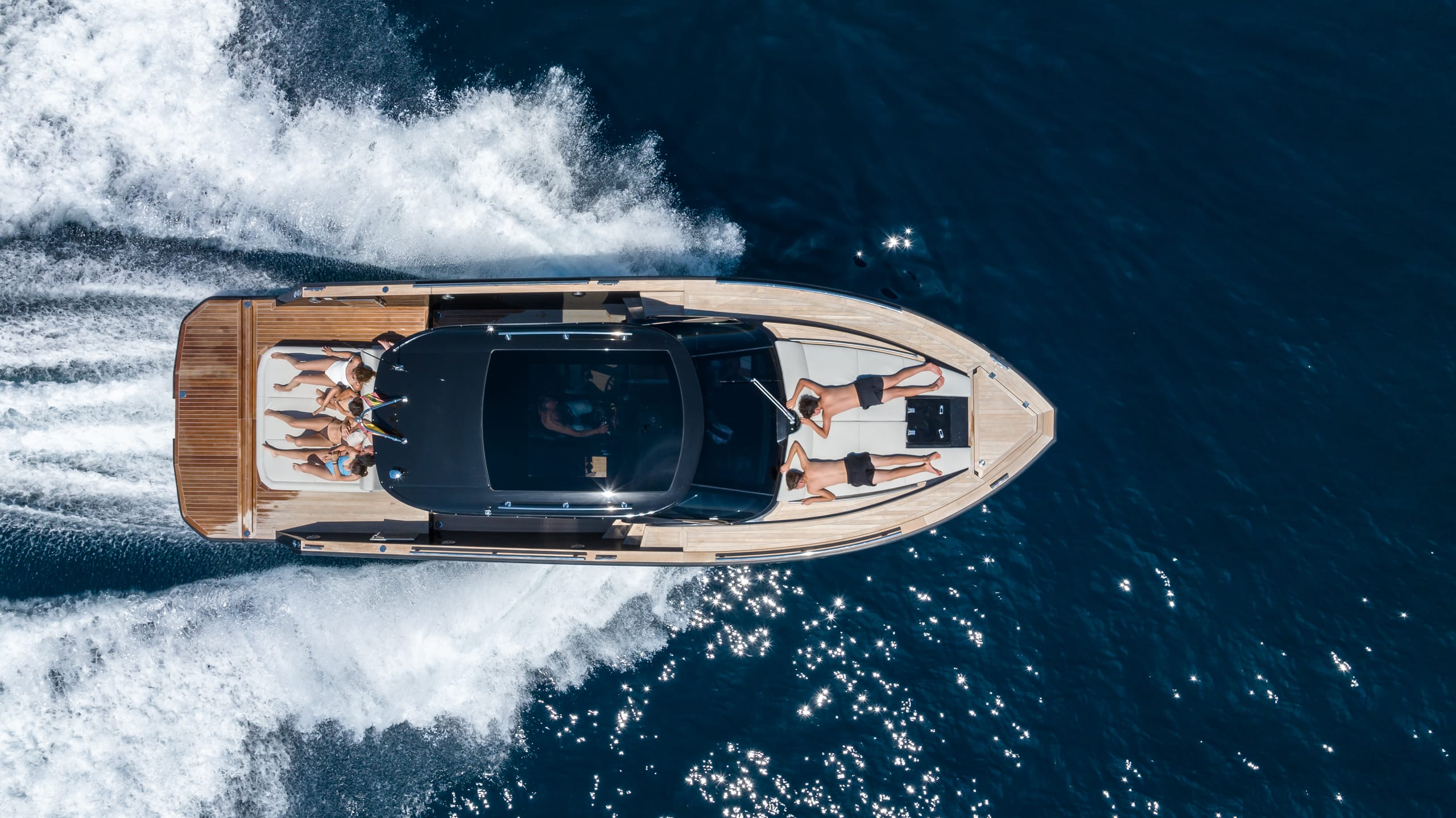
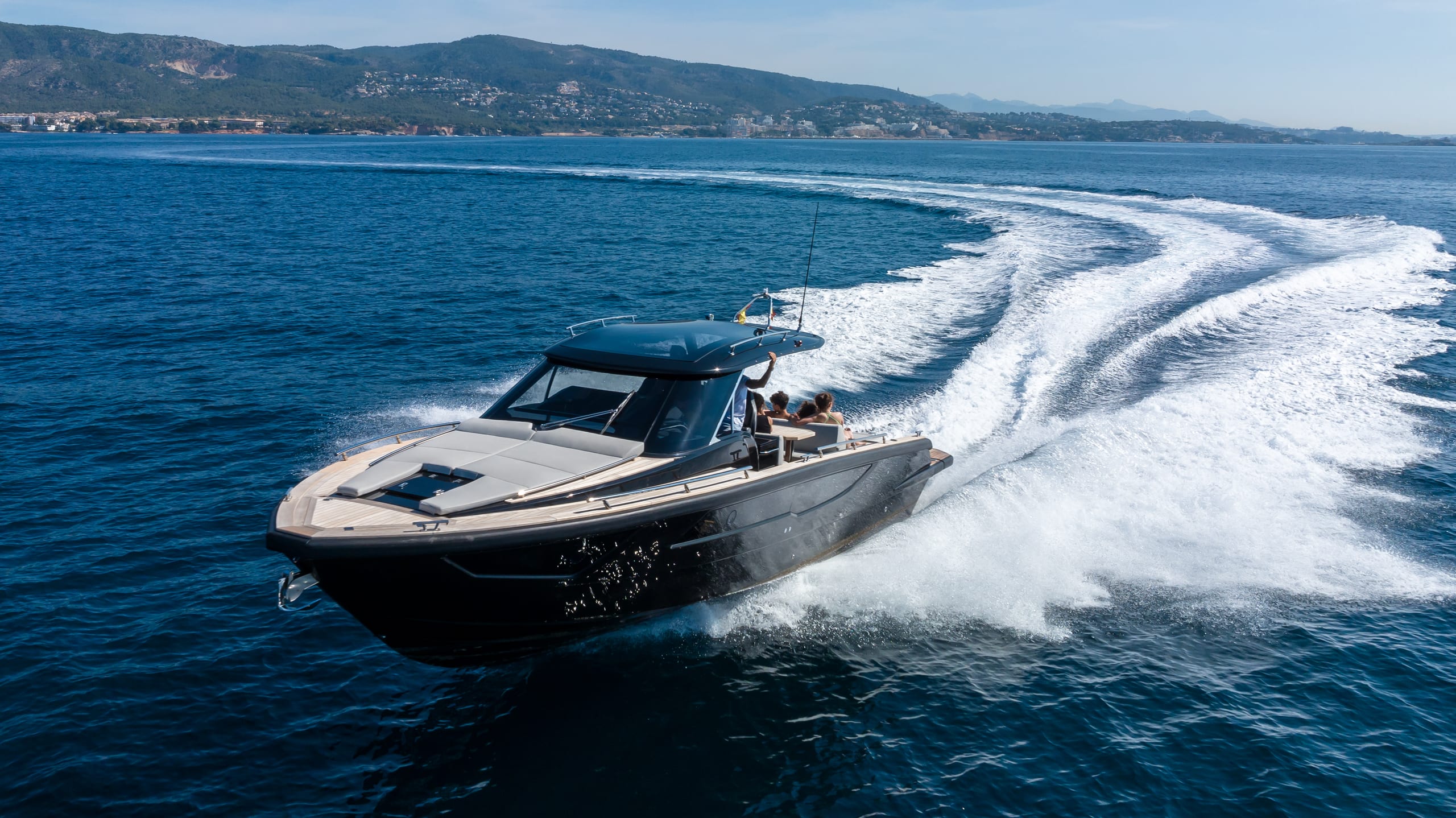
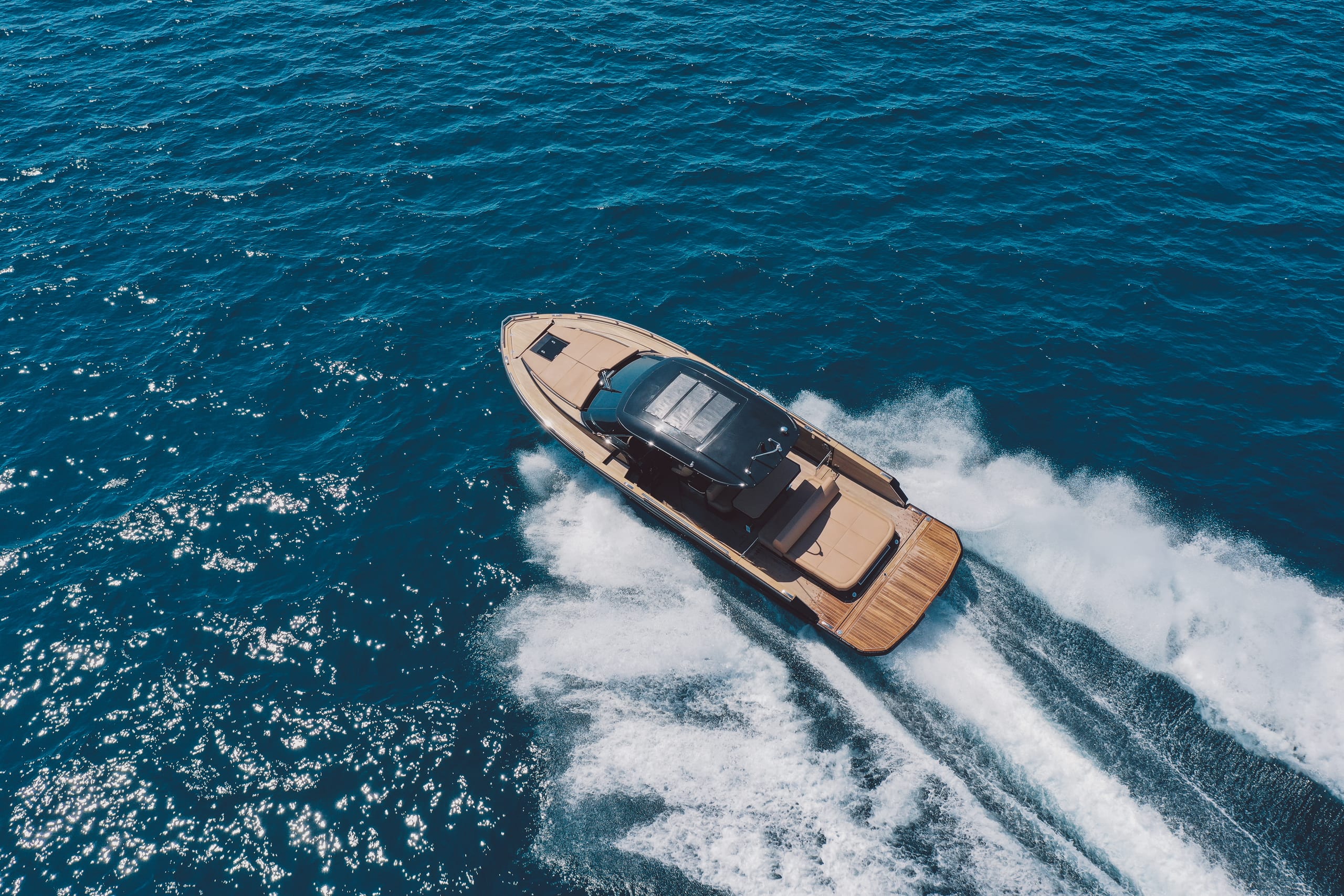
The company acquires six new Focus Forza 37 motoryachts directly from Focus shipyard at €450,000 per vessel - €2,700,000 for the fleet. That price reflects a 25% discount to the equivalent retail configuration, granted on the strength of a six-hull single order and the shipyard's own participation in the equity.
The practical consequence is that the vehicle's assets are marked below replacement cost from day one. On list-price terms the same fleet represents roughly €3,600,000 of equipment, which is where the €900,000 day-one equity uplift comes from.
Foctok does not run charters itself. Each vessel is leased to an established charter operator in its market, on the industry-standard structure: an 80/20 split of the vessel rental in the owner's favour, with the end client paying separately for skipper, fuel, VAT and any additional service.
Foctok's target is a net €1,900 per vessel working day after the operator's share - which implies a gross day rate of roughly €2,375. Published retail rates for the same hull in these markets run materially above that, which is the basis for treating €1,900 as a conservative net assumption rather than an ambitious one.
The vehicle runs for a six-year span containing five operating seasons. Net charter income funds annual distributions to holders and an annual buy-back and burn of 10% of outstanding tokens - so capital is returned progressively rather than locked until a single terminal event.
In year six the fleet is sold and the proceeds distributed to remaining holders. The projections assume a disposal of approximately €1,800,000 - half the fleet's €3,600,000 list value, and two thirds of what Foctok actually paid for it. That is a deliberately cautious residual for six-year-old hulls maintained on a funded €10,000-per-vessel-per-year programme.
02 · Cap table
100 tokens. €33,000 each. €3,300,000 of enterprise value.
Eighty-five tokens are issued to investors for cash, raising €2,805,000. The remaining fifteen tokens are allocated to management and administration and are contributed in kind - the marketing, maintenance and administrative programme described below - rather than paid for or drawn as fees.
Focus shipyard subscribes for ten tokens at €330,000 from within the investor tranche, which leaves 75 tokens - €2,475,000 - available to outside investors.
03 · Use of proceeds
96 cents in every euro goes into steel and resin.
The raise is not a runway. Almost all of it converts immediately into a hard asset, with a thin sliver covering the legal, tax and technical work of standing the vehicle up.
Operations are funded separately, in kind
The five-year operating programme is covered by management's 15% equity contribution, not by the cash raise. It totals €495,000 of committed spend:
€10,000 per vessel per year across five years - scheduled servicing, antifoul, engine hours, warranty coordination and cosmetic upkeep.
Charter demand generation across all four markets, operator co-marketing, and the brand and booking presence that keeps utilisation up.
Base management, accounting, reporting to token holders, regulatory filings and Cyprus company secretarial work.
04 · Lifecycle
Six years, five seasons, one exit.
Formation and acquisition
SPV incorporated in Cyprus, 100 foctokens issued, subscription closed, fleet ordered and delivered, vessels registered and placed with their operators. Target close for subscriptions: December 1st 2026.
Operating cycle - distribute and burn
Five charter seasons. Net income funds annual distributions to holders plus a buy-back and burn of 10% of outstanding tokens each year, concentrating remaining holders' claim on the fleet while returning capital progressively.
Fleet disposal and final distribution
Vessels sold and net proceeds distributed. Projections assume a disposal of approximately €1,800,000 - half the fleet's list value - with the shipyard's own equity stake aligning it to support resale rather than undercut it.
05 · Projections
The rate is fixed. Only the season length moves.
All three scenarios hold the net rate at €1,900 per vessel working day. What varies is utilisation - how many days each vessel is chartered in a season. Fifty days is the floor the model is underwritten against.
| Scenario | Days / vessel | Net day rate | Annual fleet revenue | Cumulative per token | Total return |
|---|---|---|---|---|---|
| Pessimistic | 50 | €1,900 | €570,000 | €44,540 | ~135% |
| Realistic Target | 70 | €1,900 | €798,000 | €54,640 | ~165% |
| Optimistic | 90 | €1,900 | €1,026,000 | €64,640 | ~195% |
What is inside these numbers
- Net of the operator split. €1,900 is Foctok's take after the charter operator's 20%, not the headline price a client pays.
- Net of operating cost. Maintenance, marketing and administration are pre-funded by management's in-kind 15%, so they do not come out of these revenues.
- Includes the residual. Total return combines five years of distributions, the annual 10% burn and the year-six fleet sale at an assumed €1,800,000.
- Excludes client-paid extras. Skipper, fuel, VAT and additional services are billed to the charter client on top and are not counted as Foctok revenue.
What could make them wrong
- Utilisation shortfall. If operators sell fewer than 50 days per vessel, distributions compress before the residual does.
- Resale softness. A used-boat market that will not support an €1,800,000 fleet disposal reduces the year-six distribution, which is the largest single component of total return.
- Operator performance. Revenue depends on third-party operators in four jurisdictions; replacing an underperforming one costs a season of momentum.
- Regulatory change. Cyprus tax treatment and the EU framework for tokenized securities can both change during a six-year hold.
Figures as presented in the Foctok investor deck. Per-token returns are stated per €33,000 token and assume the full 100-token issuance. Total return is cumulative and gross of any tax payable by the holder in their own jurisdiction. These are projections based on the assumptions listed above, not forecasts and not guarantees.
Next step
The full model, on request.
Register interest to receive the Cyprus structure memorandum, the operator agreements, the maintenance schedule and the underlying charter-rate research behind the €1,900 assumption.